
Cover Story
How drones, LiDAR and AI are changing mine rehabilitation in Brazil
Vale is using drones, AI and digital twins to monitor restoration at a former Brazilian iron ore mine, offering a model for more transparent mine rehabilitation. Heidi Vella reports.
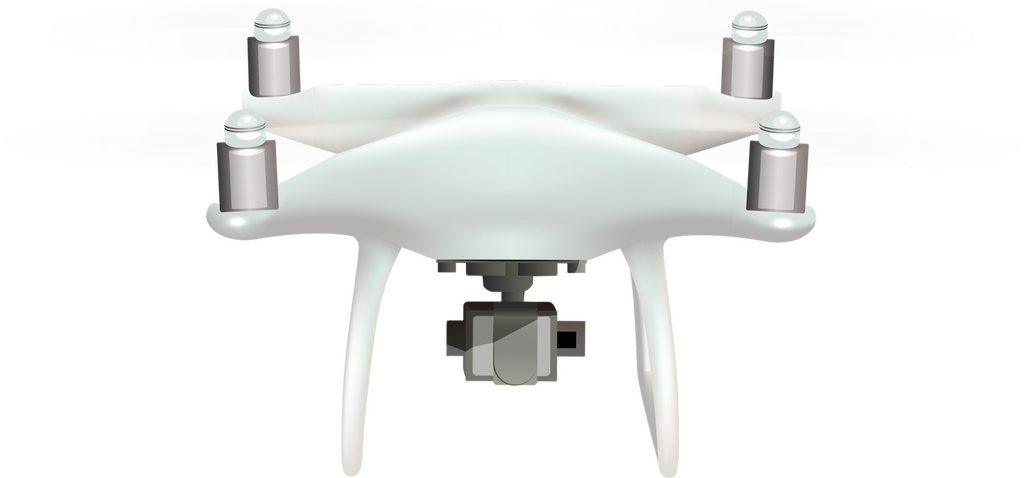

Main video credit: neoapatch / Shutterstock.com
Mining – the act of extracting non-renewable resources from the earth – is, by its very nature, a negative net-force on the environment. Further testament to this is the tens-of-thousands of abandoned mines scattered across the globe, a legacy of the industry’s historical ‘dig, ship and move on’ mentality.
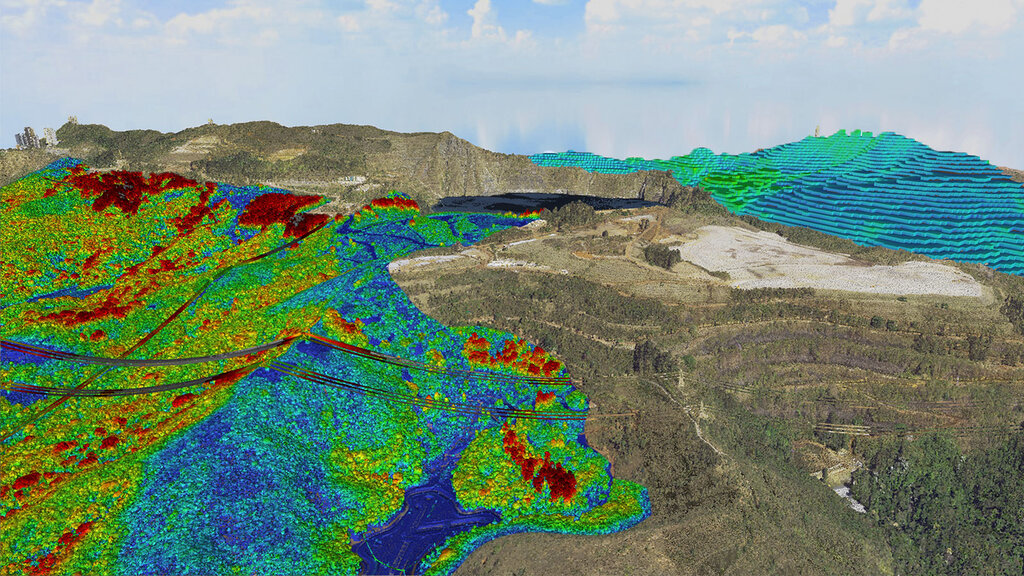
Credit: Hexagon R-evolution
The challenge
Thanks to immense public pressure and increasingly stringent environmental, social and governance (ESG) regulations, this is slowly changing, however. Under ESG multi-stakeholder standards, such as the June 2018 Initiative for Responsible Mining Assurance (IRMA), mining companies must prove that, besides extracting ores, they’re also restoring land and ecosystems. The industry’s reputation and social licence to operate – having been tarnished by countless environmental disasters – depends on it.
South of Brazil’s second most populous city, Belo Horizonte, this transformation is taking place, aided by drones, digital twins and artificial intelligence (AI). Here is the now defunct Águas Claras Mine, known as MAC, a high-grade iron ore mine that started production in 1973, producing about 300 million tonnes of high-grade iron ore throughout its 30-year life.
The mine, owned by mining giant Vale, was shuttered in 2002, and is now the first Brazilian mine to enter the company’s Future Use framework – a new initiative designed to rehabilitate decommissioned mining areas, for which it has earmarked $3.6bn (18.3bn reais).
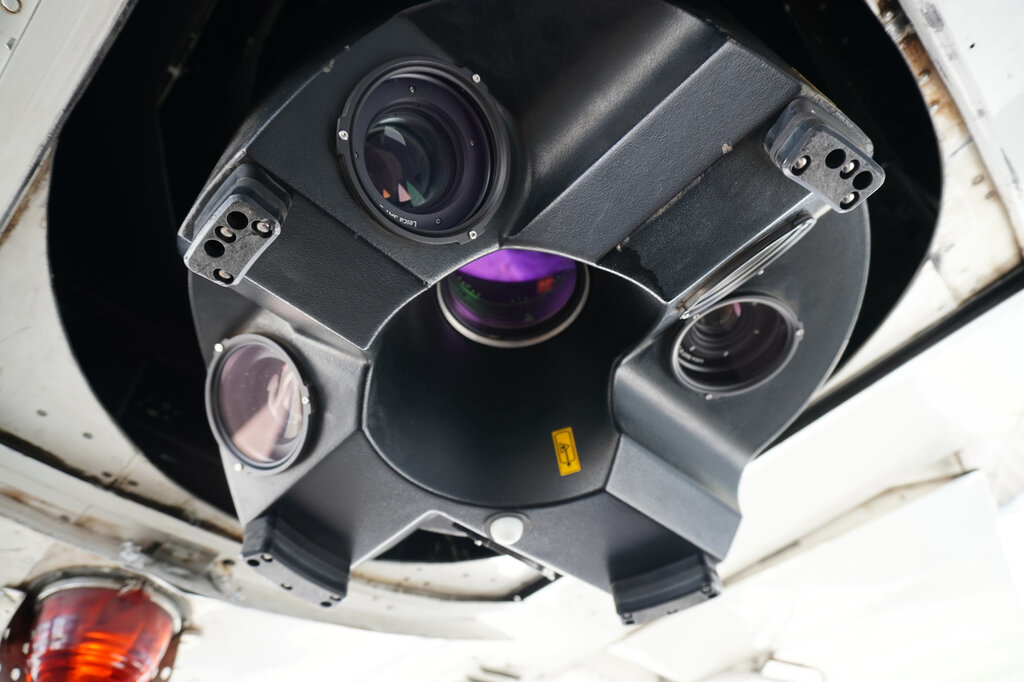
A hybrid airborne LiDAR and high-resolution imaging sensor used to capture dense point-cloud data for creating three-dimensional digital twins of mine sites and surrounding landscapes. Credit: Hexagon R‑evolution
Vale, the world’s largest iron ore producer, has a chequered environmental and social record in Brazil. It was the owner of the Brumadinho mine in Minas Gerais where a dam collapse in 2019 resulted in 270 fatalities. The tragedy was the catalyst for the tailings dam management reform outlined in the Global Industry Standard on Tailings Management (GISTM). Vale is also co-owner, with BHP, of Sanmarco, which owned the Germano iron ore mine, also in Minas Gerais, where a tailings dam collapsed killing 19 people.
Building the digital twin
The company has positioned MAC as a priority site to showcase its commitment to sustainable mining. It aims, it says, to leave a more positive legacy by reintegrate the land into its natural habitat, “fostering local development and creating shared value” for both the company and the community, with potential for ecotourism, leisure and conservation and real estate development.
For the project, Vale partnered with precision measurement company Hexagon’s green-tech division, R-evolution. In 2024, the company launched Green Cubes, a digital twin platform designed to monitor biodiversity and environmental restoration. It combines satellite imagery, hybrid airborne and terrestrial LiDAR (Light Detection and Ranging), high-resolution aerial imagery, camera traps, acoustic sensors and ground-penetrating radar to capture a 3D representation of a landscape.
At Águas Claras, the system mapped more than 20km² using hybrid airborne imagery and LiDAR, generating point clouds of more than 40 points/m ² to produce a digital terrain model with a spatial resolution of 10cm. The datasets are integrated within an AI-powered platform that analyses biodiversity and restoration, creating a digital window into the surrounding ecosystem.
The level of detail depends on the density of data collected, but CEO of R-evolution, Erik Josefsson, who is also president of the business venture in Hexagon AB, says the system can measure environmental change in “cubic metres of biodiversity”, allowing rehabilitation to be monitored over time.
“We are a firm believer that if you can measure it, you can value it,” he says.
“We put all these assets together and give value to nature. For mining companies this has value because it can tell them what’s happening with the nature around them, which is nowadays vital to the social licence to operate.”
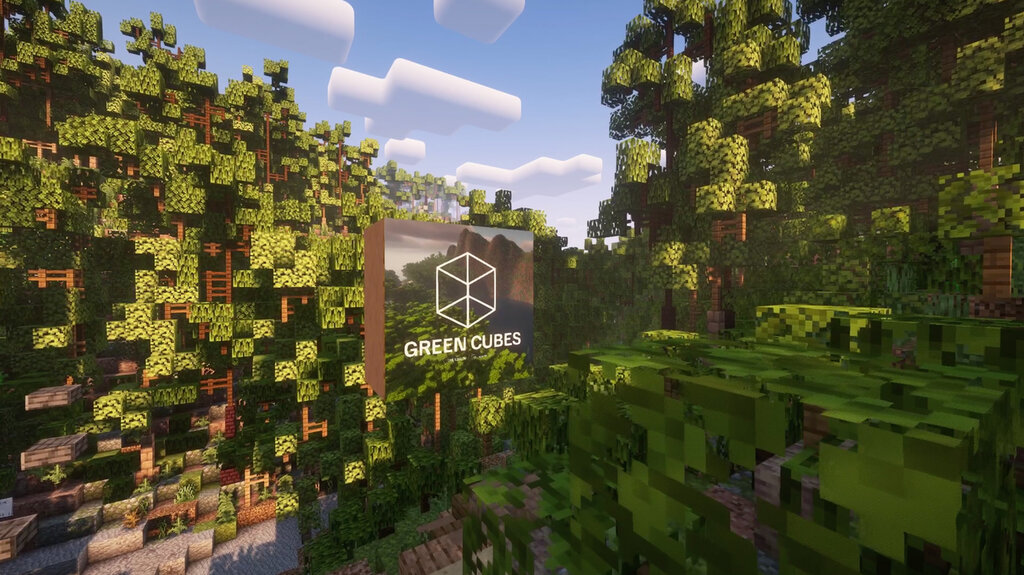
Green Cubes overlays LiDAR-derived point-cloud data onto the Águas Claras mine site to create a three-dimensional digital twin for monitoring biodiversity, vegetation and rehabilitation progress. Credit: Vale/Hexagon R‑evolution
At MAC the technology was first used as a communication tool for community engagement, an application called the Green Cubes Experience. Four points within the Mata de Jambreiro 912-hectare private preserved area were activated with sensors, acoustics, and camera traps to provide a 3D, 360-degree immersive digital experience for stakeholders.
“This is a promotional tool to show what they are doing,” says Josefsson, “Any type of mine needs to be very cautious about how they communicate and manage the local community, that’s part of the social licence to operate.”
At the periphery of MAC are high-end gated communities, clusters and neighbourhoods with strong commercial activity, as well as rural areas and areas of environmentally relevant preservation related to water resources making preservation and communication especially important.
In addition to this, in an initial test, to connect with younger generations a portion of the mining site was recreated on the Minecraft Agonia server, hosting 14,000 individual players.
“We take that data, fuse it with terrestrial LiDAR scans and other 3D onsite assessments – including ground-truthing with penetrating radar to understand the soil structure – and fuse it altogether to make the most transparent digital twin,” explains Josefsson.
Measuring restoration
AI helps understand the data and imagery picked up. For example, an animal might be detected on a camera trap and will then be identified using AI trained by local biologists. At MAC there have been several rare animals captured including the first Puma concolor sighting in ten years and 146 bird species identified over 90 days using AI-enhanced camera and sound traps.
As well as understanding the surrounding nature, the purpose of the digital model is to enhance the reclamation of the site and transparently communicate the work done by Vale through reporting, says Josefsson.
“It can be used for auditing purposes, planning purposes, as a communication and stakeholder management tool to quickly tell stakeholders what happening on site,” he says.
“They can see what the loss and gain of nature is and what species exist, creating very high transparency and trust in reporting going forward.” On this, R-evolution is working with the Taskforce on Nature-related Financial Disclosures (TNFD) to show how the technology can enable transparent and robust biodiversity reporting.
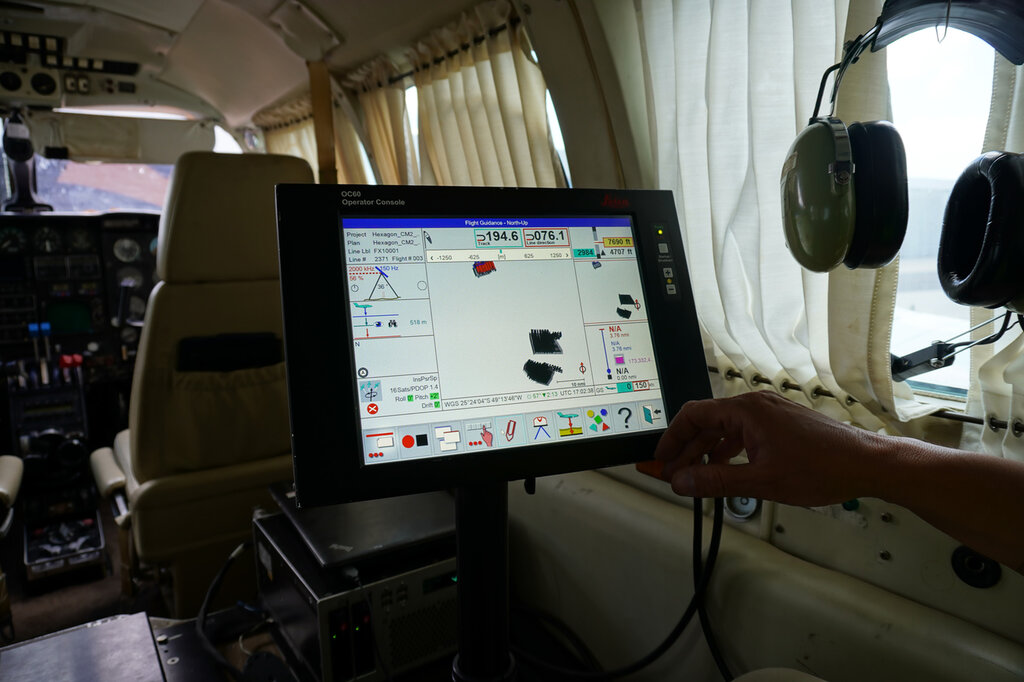
An operator monitors an airborne LiDAR survey used to capture high-resolution data for Green Cubes digital twin modelling. Credit: Hexagon R‑evolution
This includes developing Green Cubes Natural Capital. At this level, a project can work towards using the data and platform for ‘Nature Positive initiatives’, such as natural capital accounting and even monetisation with carbon and biodiversity credits, explains Josefsson.
“This type of business is extractive, but with the support of compensation and active environmental management, mining can work towards being nature positive,” he says.
But this market is “very tough and slow moving”, and carbon credits are “in the making” he adds. “The real need today is permitting and reporting.”
The wider drone market is also evolving rapidly to support more sophisticated industrial applications. GlobalData forecasts the global drones market will grow from $32.2bn in 2024 to $89.8bn by 2030, with commercial deployments driving much of that growth.
Natural capital accounting
Natural capital accounting is a framework that systematically measures and values the earth’s natural assets – such as forests, water, soil, minerals, and biodiversity – and is one that’s being floated to the industry.
In 2024, more than 15,000km away from Brazil, the Australian Government-funded Cooperative Research Centre for Transformations in Mining Economies (CRC TiME), with the CSIRO, the country’s national science agency, released a suite of new resources to support the mining industry to adopt NCA.
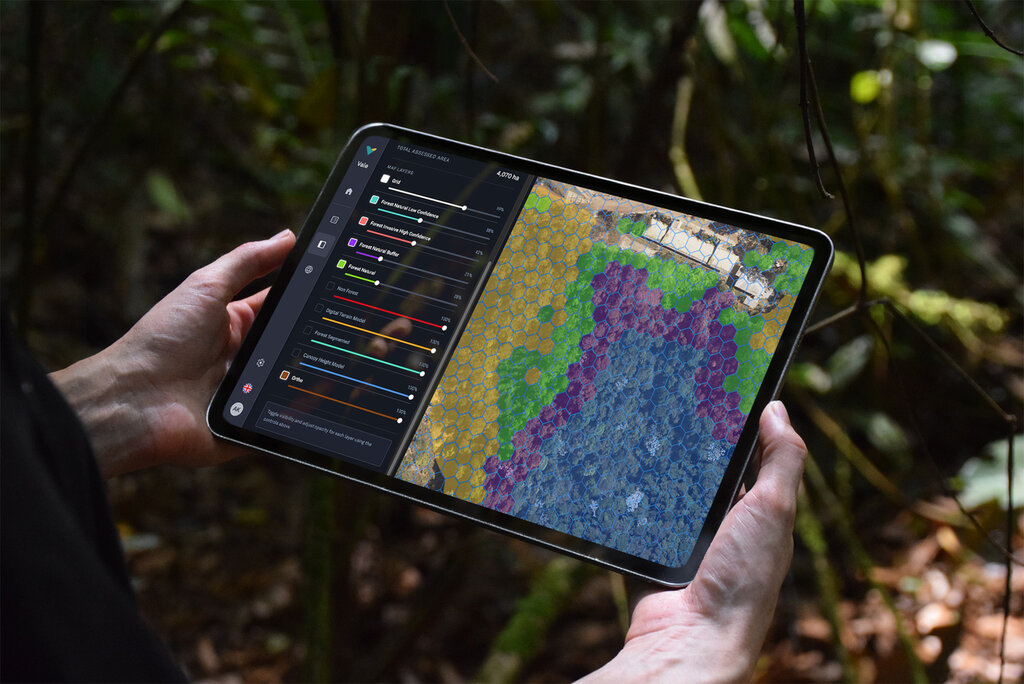
Green Cubes integrates LiDAR, imagery and field data within a digital twin platform to support biodiversity monitoring and mine rehabilitation planning. Credit: Vale/Hexagon R-evolution
Continuing this work, in July, CRC TIME completed the first phase of the Atlas of Post-Mining Futures project which aims to promote mine reclamation efforts by digitally presenting leading post-mining land use stories on an interactive web-based platform.
The idea is to showcase success so that communities can demand better, says Rebecca Rey, communications manager at CRC Time.
What it means for mining
“We wanted to spark ideas and show what is possible,” she adds.
The atlas could arm non-specialists with knowledge to ask the right questions of whoever they need to, adds Pete Whitbread-Abrutat, founder and director of Future Terrains International, who is part of the project. Whitbread-Abrutat co-wrote a book called 102 Things to Do with a Hole in the Ground, which the project expands on.
“Going back to the early days of writing the book, it was apparent even multinational companies didn’t know what closure projects – and pretty good ones – was happening in another part of the same country under their multinational company banner. Nothing much has changed on this front, so even just breaking down that barrier is important,” he adds.
The researchers want to publish around 40-50 stories in a next phase and embed agentic AI so people can search case studies even if they don’t have the right mining vocabulary.
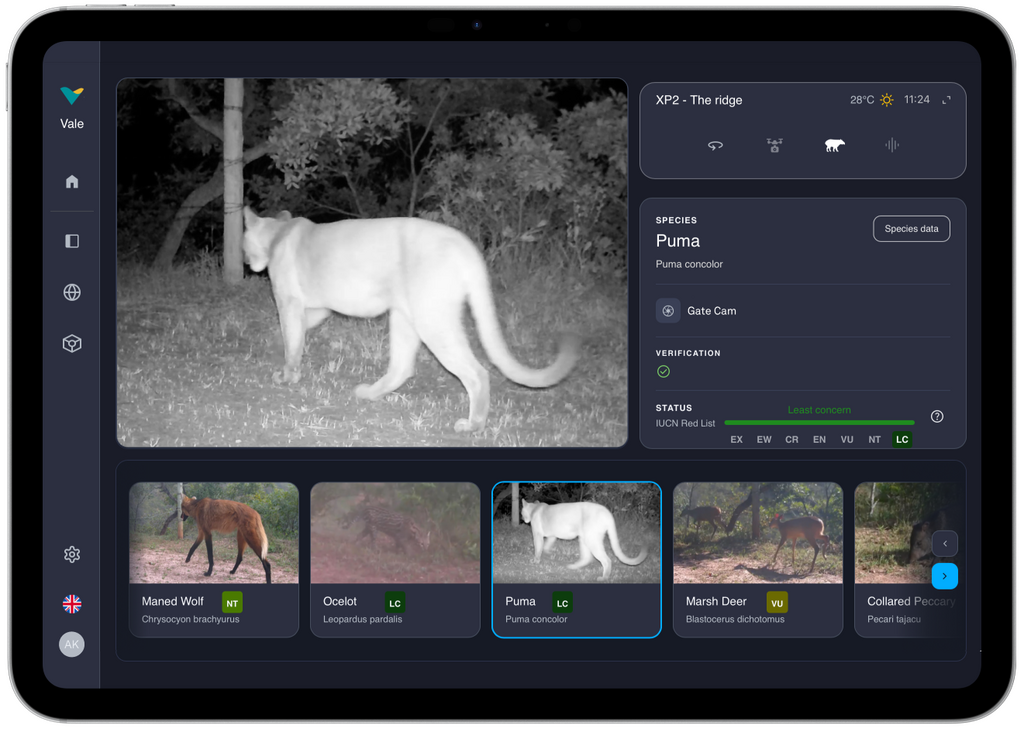
A puma is detected by Vale's Green Cubes biodiversity monitoring platform at the rehabilitated Águas Claras mine in Brazil. Credit: Vale/Hexagon R‑evolution
When asked about the value of using digital twin technology such as being deployed at MAC to provide transparency and understanding of nature at mine reclamation sites, Whitbread-Abrutat says there is “a lot of value in doing that,” especially in remote sites where it’s difficult to get to for political or security reasons.
“You still have to do underground truthing,” he adds. “But that said, if you can’t get there it’s a great thing to do.”.
In addition, Whitbread-Abrutat adds that standards such as GISTM have been a game-changer in forcing more responsible practises including using technology such as sensors for monitoring structures and tailings more closely.
“That can only be a good thing, right? You still have to do ground truthing, but without remote sensing, there’s a whole layer of really important information you wouldn’t get about large-scale change,” he says.
When it comes to mine rehabilitation, Josefsson says there is a clear need for transparency and trust across multiple players: “if you can’t provide transparency you can’t provide trust.”
This also requires investment. Pricing for Green Cubes service increases with granularity of data collected, and Josefsson says R-evolution recommend clients go for high granularity because that is “when they can really stand behind all the numbers.”
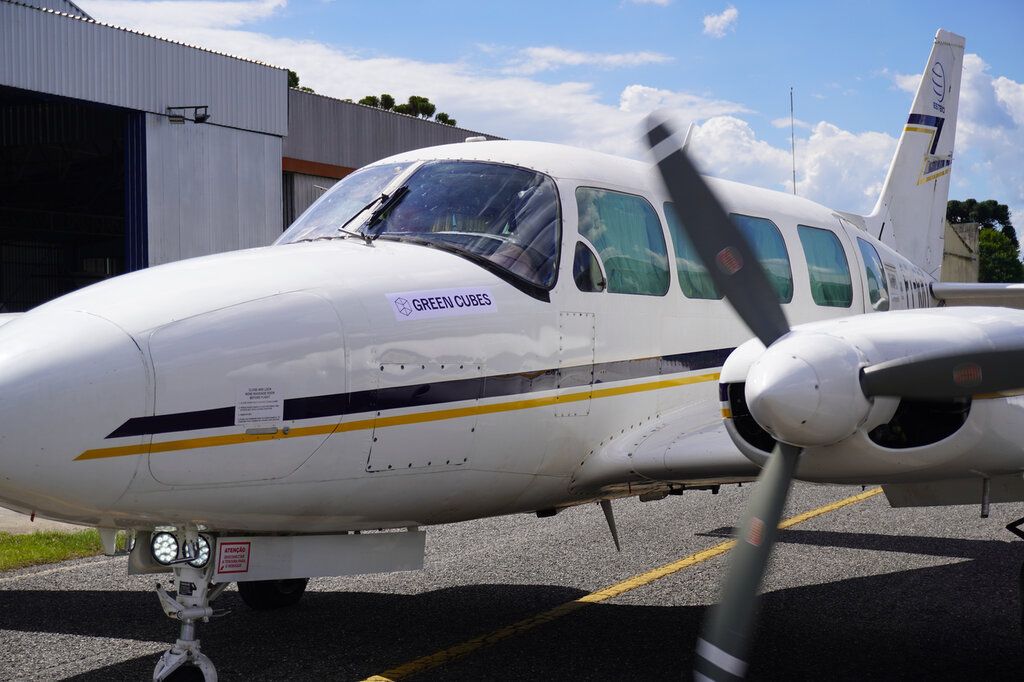
A survey aircraft equipped with hybrid airborne LiDAR and high‑resolution imaging systems used to collect data for Green Cubes digital twin mapping of mine sites and surrounding landscapes. Credit: Hexagon R-evolution
“Otherwise, how do you measure biodiversity and determine the best indicators that what you’re doing is working; that’s where Green Cubes comes in and fills a gap.”
This is especially important when considering that 73% of all biodiversity was lost in the last 50 years, he adds.
R-evolution is now working with Samarco, a JV between BHP and Vale, where the Green Cube experience is being deployed.
But challenges to responsible mine reclamation still exist. Rey says there are many reasons why the dial hasn’t really shifted, including lack of information and data sets and really good evidence on what works, which is why CRC Time is putting money into projects that do that.
“The mining industry must do better,” concludes Pete Whitbread-Abrutat.
“It’s moving forward. There’s a lot of inertia, positive change is sporadic, but there’s some really good things happening in Australia and Europe and North America, but it’s still lagging in parts of Asia and South America.”
Title
With diesel vehicles accounting for 30% to 50% of greenhouse emissions at a mine site, replacing them with a battery-electric fleet is a sure way to drastically reduce overall CO2 emissions, but how else can mines benefit from this technology?
Leading underground manufacturers Normet believe the answer lies with SmartDrive. This architecture for battery electric vehicles (BEV) was developed in collaboration with customers, building on feedback, predicting future trends, and assessing the limitations of diesel engines, and comes with a wealth of benefits for operators.
Title
TowHaul Lowboys are front loading which is crucial for three main reasons:
Speed – the Gooseneck can connect and disconnect in as little as 90 seconds
Safety – the full width of the lowboy rests on the ground providing a wide, stable loading platform
Versatility – the multi-purpose gooseneck can be used to tow disabled haul trucks or other specialty TowHaul trailers (Dragline Bucket Transporter or Water Tank Carrier)
The “Low-Profile” designation refers to the load ramps of the lowboy which are designed in such a way as to reduce the “breakover” as the equipment transitions from the ramps to the lowboy deck.
The “Modular” aspect refers to how the lowboys are designed, manufactured and shipped. Each module is easier to handle and ship which substantially lowers shipping costs for our clients, especially those overseas. Once onsite, the modules are pinned together which minimizes installation time (3-5 days).

TowHaul Lowboys utilize a single, haul-truck type axle. TowHaul offers a dry drum brake configuration or a wet brake configuration with TowHaul’s patented Brake Cooling System.
Frank Smith, Founder and CEO of TowHaul
TowHaul Lowboys utilize a single, haul-truck type axle. TowHaul offers a dry drum brake configuration or a wet brake configuration with TowHaul’s patented Brake Cooling System. Using a single axle eliminates tire “skidding” often found with multi-axle trailers when turning on a sharp corner. This “skidding” can cause tire and axle damage leading to downtime. Recognizing the variety of conditions in which mines operate, TowHaul has designed specific lowboy configurations tailored to operate more effectively in specific areas. For example, there are several TowHaul Lowboys currently operating in the unique conditions found in the oil sands of northern Alberta designed with a specific Oil Sands Configuration.
To cope with the extreme ambient temperatures found in Western Australia, TowHaul upgraded the patented Brake Cooling System for our 450-ton capacity lowboys to improve the cooling of the oil in those systems.
Mining industry needs clarity
Macfarlane has been critical of taxation policy in the past, branding it a ‘threat’ to mining in and suggesting it puts the local sector at a disadvantage compared with other regional sectors across the country.
“Coal royalties in Queensland are the highest in the country and more than double the rate of New South Wales. Latest figures show the resources industry is delivering A$5.2bn to the State Budget in royalty taxes, including A$4.36bn from coal. These are record returns and they show the importance of the resources sector to the state budget. We have asked for certainty about royalty tax rates to ensure stability for long-term investments and the jobs they create.”
In early June 2019, mining companies avoided increases to royalties by agreeing to provide A$70m to a A$100m infrastructure fund.
Frank Smith, Founder and CEO of TowHaul
In early June 2019, ahead of Queensland’s State Treasurer Jackie Trad’s budget, mining companies avoided increases to royalties by agreeing to provide A$70m to a A$100m infrastructure fund. The move means coal royalties will be frozen for three years.
“We have welcomed the commitment from the Queensland Opposition to freeze royalty tax rates for 10 years, and we’d like to see a similar commitment from the Government,” says Macfarlane. “We want to keep employing more Queenslanders and supporting more regional communities through local investment. To do that, it’s essential that we have clear and transparent rules and regulations,” he adds.
Will politics continue to support mining?
Politics and mining often overlap - unsurprisingly given the value of the sector to the wider Australian economy. That was on display during the recent federal election, which saw the industry used as a political tool– particularly Adini’s controversial Carmichael coal mine in the Galilee Basin.
However, the re-election of Scott Morrison as prime minister was welcomed by many within mining, and the almost complete annihilation of Labor’s vote in the state sent a clear message to politicians about how Queenslanders view the sector. Before the election Labor had failed to take a meaningful position on the project but appeared likely to oppose it. The party suffered heavy losses, hampering its ability to have a significant say at a state level. Olive Downs is a case in point, just days after the vote Queensland’s government gave final approval to the project, which had been stuck for years.
Keen to stress the need for a broad political approach to mining, Macfarlane says: “The QRC works with all sides of politics constructively, including the re-elected Coalition Government in Canberra. The Government has been a strong supporter of the resources sector through the Prime Minister and Resources Minister Matt Canavan.
Phillip Day. Credit: Scotgold Resources
“The resources industry has also welcomed the appointment of Joel Fitzgibbon to the shadow resources portfolio. We want to see bipartisan support for the resources sector and the regional jobs it creates. We want to see the Government and the Parliament focus on attracting new investment to create new jobs well into the future.”
Queensland’s mining industry is a vital part of the economy and has a promising future. However, nothing can be taken for granted and business, politicians, and local communities need to be ahead of the issues the future may bring MacfarlaneWe must embrace technology to stay globally competitive, compete for every contract and earn the support of our governments and the people who elect them. believes.
“Our sector makes up almost 20% of the Queensland economy but we must not get complacent. We must embrace technology to stay globally competitive, compete for every contract and earn the support of our governments and the people who elect them,” he finishes.
